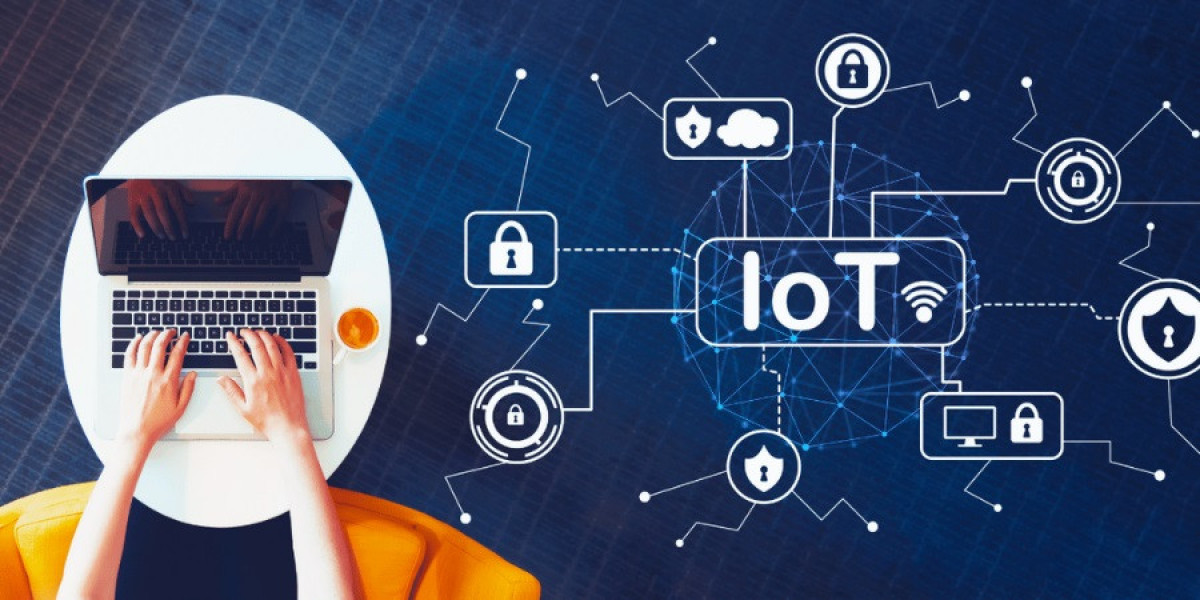

The prevailing Internet of things Market Prediction points towards a future where hyper-connectivity is the norm, fundamentally altering how businesses operate and individuals live. Forecasts consistently indicate an explosive increase in the number of connected devices, with estimates ranging from 50 to 75 billion devices online within the next decade. This proliferation will extend far beyond smartphones and computers, encompassing everyday objects in homes, vehicles, factories, and cities. A key prediction is the shift from a centralized, cloud-based model to a more distributed architecture involving edge computing. This change will be driven by the need for lower latency, improved security, and real-time decision-making in applications like autonomous robotics and augmented reality. As a result, the market for edge hardware and software is expected to grow at a faster rate than the overall IoT market itself.
Another critical prediction focuses on the verticalization of IoT solutions. While early market development saw the rise of horizontal platforms designed to serve multiple industries, the future will be characterized by highly specialized, industry-specific solutions. For example, IoT platforms for healthcare will be tailored to meet stringent regulatory requirements like HIPAA, while solutions for the energy sector will focus on grid optimization and asset management. This trend will be driven by the unique challenges and opportunities within each industry, requiring deep domain expertise to develop effective applications. Consequently, companies that can offer these tailored, end-to-end solutions for specific verticals are predicted to gain a significant competitive advantage, leading to a more fragmented yet highly specialized market landscape where niche players can thrive alongside established technology giants.
Furthermore, market predictions emphasize the growing importance of security and data governance as central pillars of the IoT ecosystem. As the number of connected devices multiplies, so does the potential attack surface for cyber threats. In response, a significant portion of future IoT investment will be allocated to developing robust security solutions, including device authentication, data encryption, and threat detection systems powered by AI. Alongside security, the ethical use of data and consumer privacy will become a major focus, driven by regulations like GDPR and CCPA. Companies that prioritize transparency and build trust by implementing strong data governance frameworks are predicted to be more successful in the long run. The future of IoT is not just about connecting more devices, but about creating a secure, intelligent, and trustworthy network.